Company News
In modern renewable energy systems, long-term durability plays a critical role in overall system efficiency. Therefore, understanding the hidden factors that affects solar panel lifespan is essential for homeowners, installers, and commercial energy users who want to maximize return on investment. In addition, SUPA provides advanced solar energy solutions designed to improve performance stability and long-term reliability. Moreover, many external and internal factors can gradually influence solar panel degradation over time.
1. Environmental Stress Factors Often Ignored
First of all, environmental exposure is one of the most significant yet overlooked influences on solar panel performance. High temperatures, humidity, and UV radiation slowly degrade surface materials. In addition, dust accumulation and air pollution reduce light absorption efficiency. Therefore, these environmental conditions continuously affects solar panel lifespan, even when panels appear to be functioning normally. Moreover, extreme weather events such as storms or hail can cause micro-damage that is not immediately visible.
2. Installation Quality and Structural Positioning
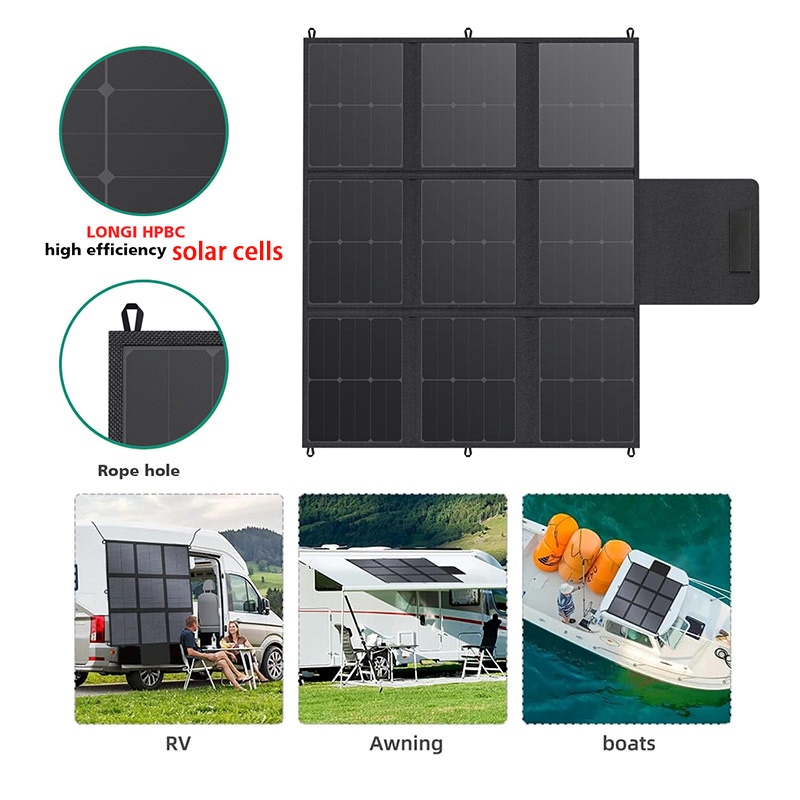
To begin with, installation angle and structural alignment directly influence long-term efficiency. If panels are installed incorrectly, uneven sunlight exposure may occur. In addition, poor ventilation behind the panel increases heat buildup. Therefore, thermal stress gradually affects solar panel lifespan by accelerating material aging. Moreover, SUPA emphasizes proper installation standards to ensure optimal airflow and stable mounting structures for long-term durability.
3. Electrical System Stability and Hidden Degradation
First of all, voltage fluctuations and unstable current flow can cause internal stress in photovoltaic cells. Over time, this reduces energy conversion efficiency. In addition, micro-cracks in solar cells may develop due to repeated thermal expansion and contraction. Therefore, internal electrical instability also affects solar panel lifespan without immediate visible signs. Moreover, advanced monitoring systems are recommended to detect early performance degradation.
4. Maintenance Practices and Cleaning Frequency
First, regular cleaning is essential for maintaining optimal output. However, improper cleaning methods may damage protective coatings. In addition, long periods without maintenance allow dirt and debris to accumulate, blocking sunlight absorption. Therefore, maintenance habits significantly affects solar panel lifespan in both positive and negative ways. Moreover, SUPA recommends structured maintenance schedules to ensure consistent performance efficiency.
5. Material Quality and Manufacturing Standards
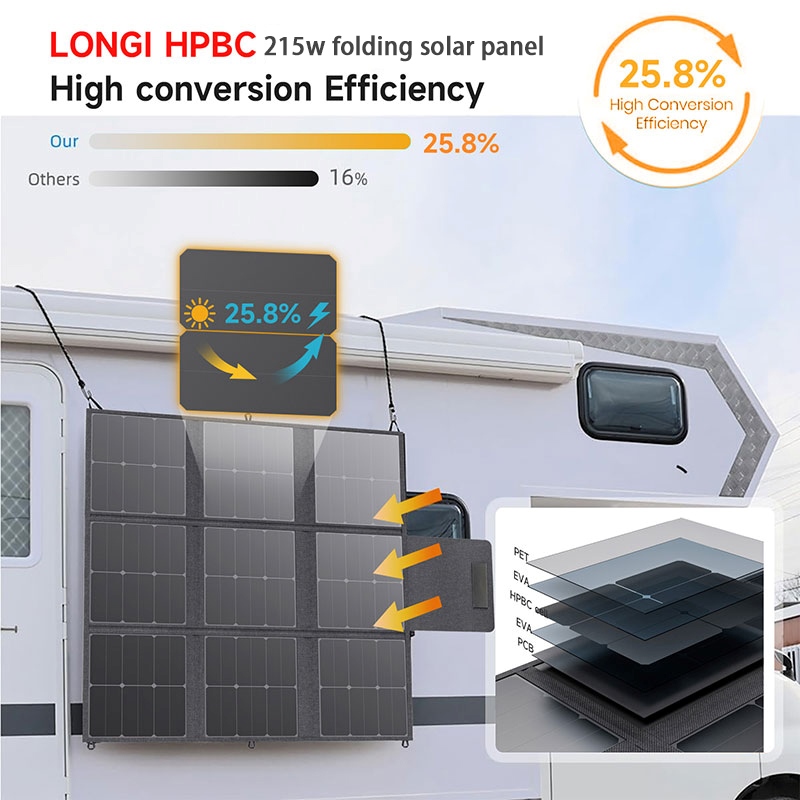
To begin with, the quality of raw materials directly determines durability. High-grade silicon cells and protective glass layers improve resistance to environmental stress. In addition, manufacturing precision influences long-term stability. Therefore, production quality strongly affects solar panel lifespan, especially under continuous outdoor exposure. Moreover, SUPA applies strict quality control standards to ensure long-lasting energy performance and reliability.
Conclusion
In conclusion, solar panel longevity is not determined by a single factor but by a combination of environmental, structural, electrical, maintenance, and manufacturing influences. Therefore, understanding what affects solar panel lifespan allows users to make better installation and maintenance decisions. In addition, SUPA continues to develop high-performance solar solutions that improve durability, efficiency, and long-term energy stability. As a result, users can achieve more reliable solar energy output and maximize system lifespan through proper design and care.