Company News
In the global renewable energy market, solar technology continues to evolve rapidly. However, many buyers still struggle to understand solar panel quality differences when selecting products for residential, commercial, or industrial projects. Because performance, durability, and efficiency vary widely, it is essential to evaluate key factors before making a decision. At SUPA, we focus on helping customers identify reliable solar solutions that deliver long-term value and stable energy output.
1. Raw Material Quality and Cell Efficiency
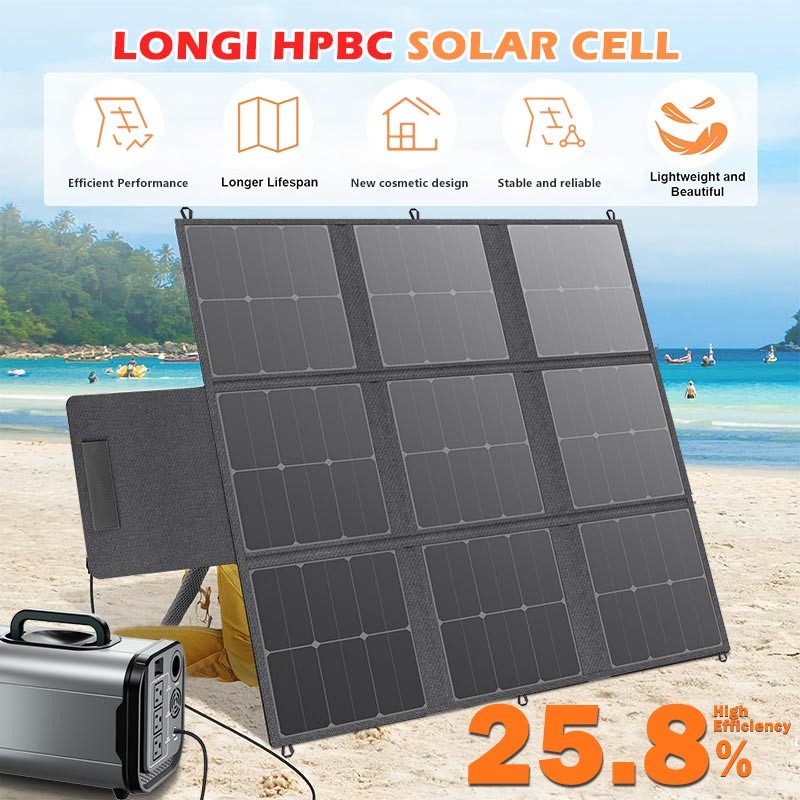
To begin with, the quality of raw materials directly influences solar panel performance. High-grade silicon cells typically offer better conversion efficiency and lower degradation rates. In contrast, lower-quality materials may result in unstable output over time. As a result, it often start at the cell manufacturing stage. Moreover, advanced production techniques such as PERC and TOPCon significantly improve energy capture efficiency. Therefore, understanding material composition is critical for evaluating long-term performance.
2. Manufacturing Process and Technology Level
Secondly, production technology plays a major role in determining panel quality. Automated manufacturing lines, precision soldering, and strict quality control systems ensure more consistent output. In addition, different manufacturers apply varying levels of technical standards. Consequently, it become visible in real-world applications such as efficiency stability and power degradation speed. Furthermore, high-end production processes reduce micro-cracks and improve module reliability.
3. Durability and Environmental Resistance
Another important factor is durability under different environmental conditions. Solar panels must withstand UV exposure, humidity, snow load, and high temperatures.
However, not all products perform equally in harsh environments. Therefore, solar panel quality differences can be clearly observed in lifespan and resistance to environmental stress. For example, higher-quality panels maintain stable output even after years of outdoor exposure. In contrast, lower-grade products degrade faster and require earlier replacement.
4. Efficiency Performance and Power Output Stability
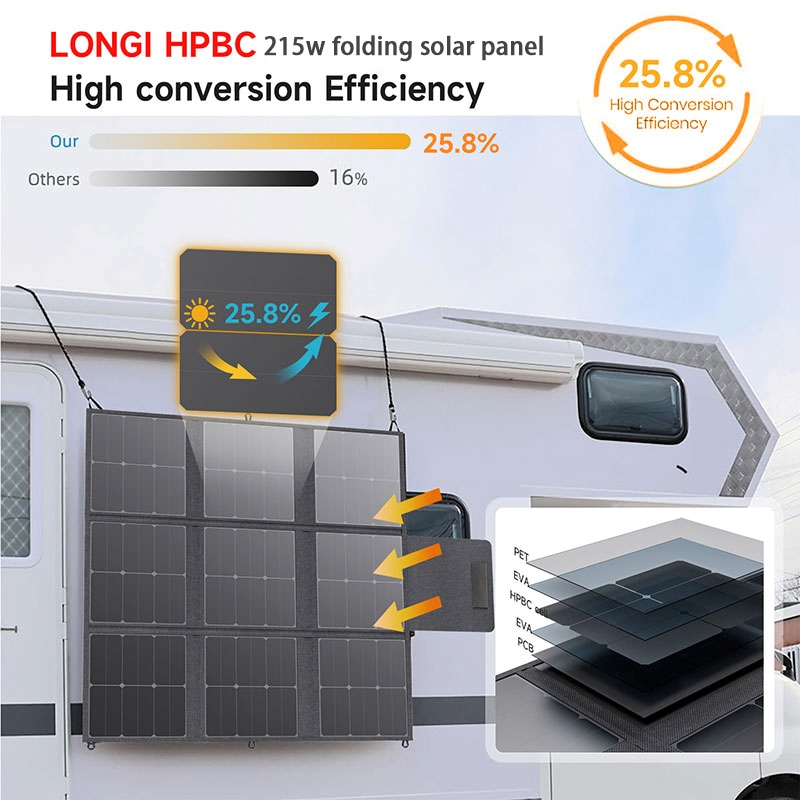
Moreover, energy conversion efficiency is a key indicator of solar panel quality. High-efficiency panels generate more electricity under the same sunlight conditions.
In addition, temperature coefficient and low-light performance also affect real-world output. As a result, solar panel quality differences become especially important in regions with unstable weather or limited sunlight. SUPA emphasizes performance consistency to ensure optimal energy production across different environments.
5. Certification Standards and Quality Testing
Finally, certification and testing standards provide an important benchmark for quality comparison. International certifications such as IEC, CE, and UL ensure that solar panels meet safety and performance requirements. Furthermore, strict quality testing reduces the risk of failure during long-term operation. Therefore, solar panel quality differences can often be identified through compliance levels and third-party testing results. In addition, reputable manufacturers invest heavily in reliability testing to ensure product consistency.
How to Evaluate Solar Panel Quality Effectively
To make an informed decision, buyers should compare multiple technical indicators rather than focusing only on price. First, examine efficiency ratings and degradation curves. Next, review certification documents and warranty terms. In addition, consider manufacturer experience and production capacity. Moreover, working with a trusted supplier like SUPA can significantly reduce procurement risk. Because SUPA emphasizes quality control and performance stability, customers gain access to more reliable solar solutions for long-term energy projects.
Conclusion
In summary, solar panel quality differences are influenced by materials, manufacturing processes, durability, efficiency, and certification standards. Although many panels may look similar externally, their internal performance can vary significantly. Therefore, understanding these factors helps buyers make smarter investment decisions. Ultimately, choosing high-quality solar products ensures better energy efficiency, longer service life, and stronger return on investment for any solar project.