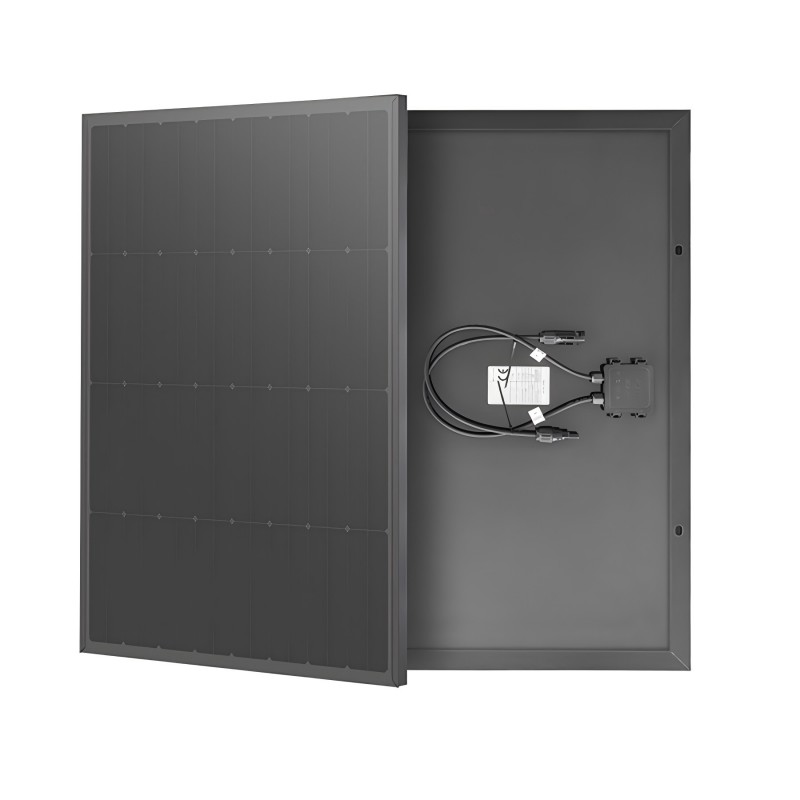
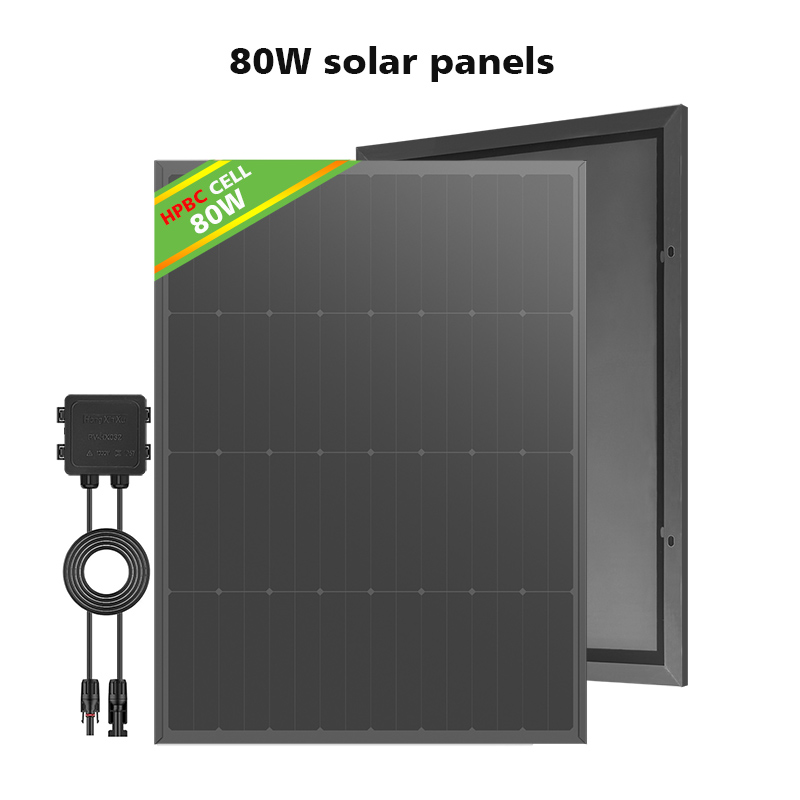
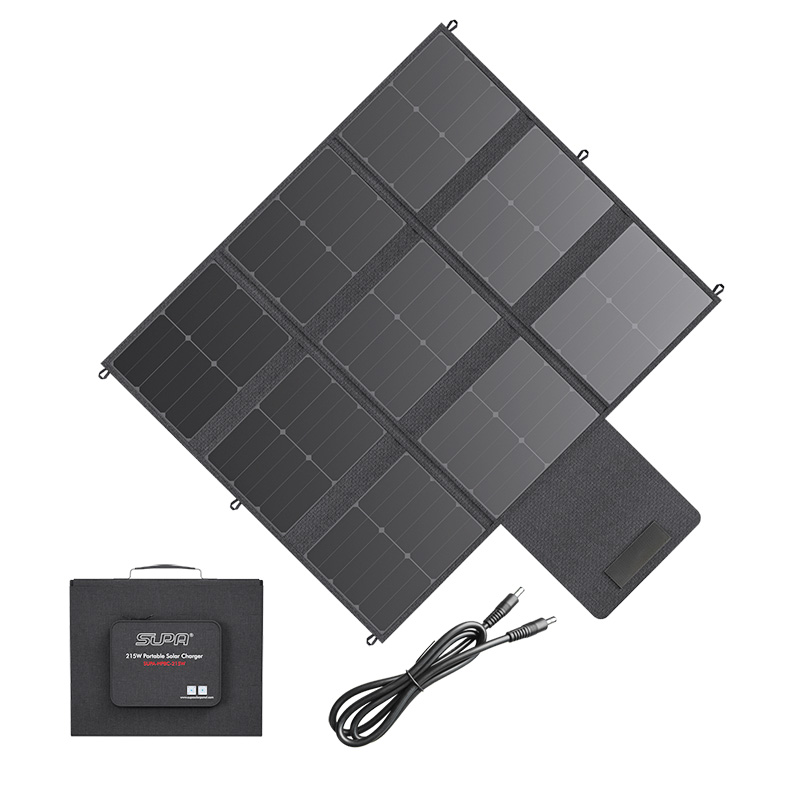
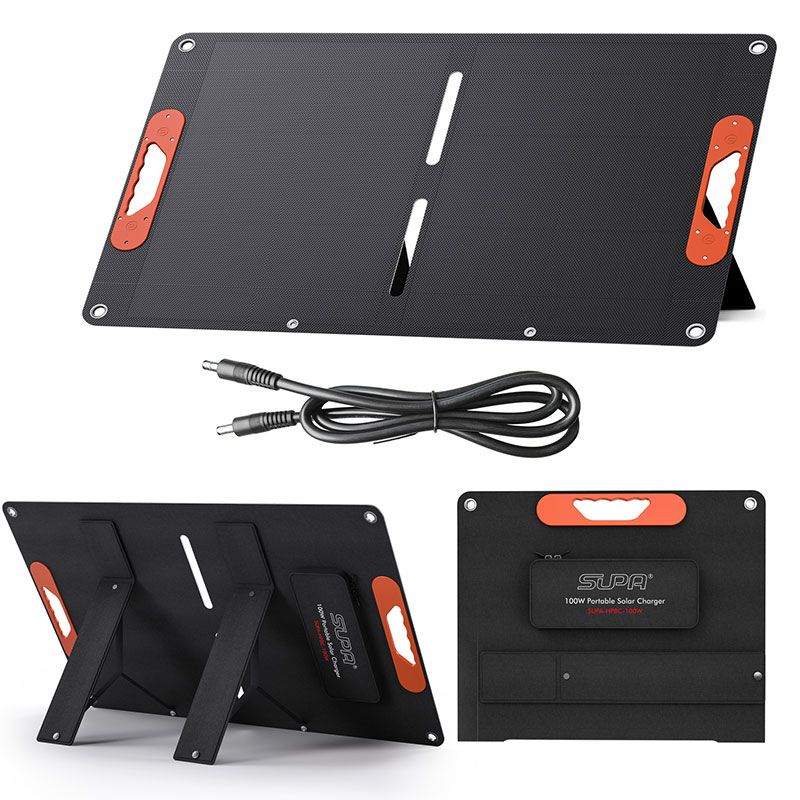
As global demand for off-grid power and portable energy solutions continues to rise, HPBC high efficiency solar panels are becoming a strategic choice for both commercial and outdoor applications. In particular, the Supa 200W portable solar panel built with HPBC technology is designed to deliver stable performance in challenging environments. But how does it actually perform in low-light conditions and hot weather? Let’s break it down from a technical and application-driven perspective.
Understanding HPBC Solar Panel Technology
HPBC (High Performance Back Contact) technology relocates all electrical contacts to the rear of the solar cell. This design maximizes the front-side light absorption area, significantly improving conversion efficiency and reducing energy loss.
Key characteristics of an HPBC solar panel include:
Higher power density compared to conventional mono panels
Improved current collection efficiency
Reduced shading loss and internal resistance
Cleaner panel surface for better long-term output stability
These structural advantages directly influence how HPBC panels perform under non-ideal environmental conditions.
Performance in Low-Light Conditions
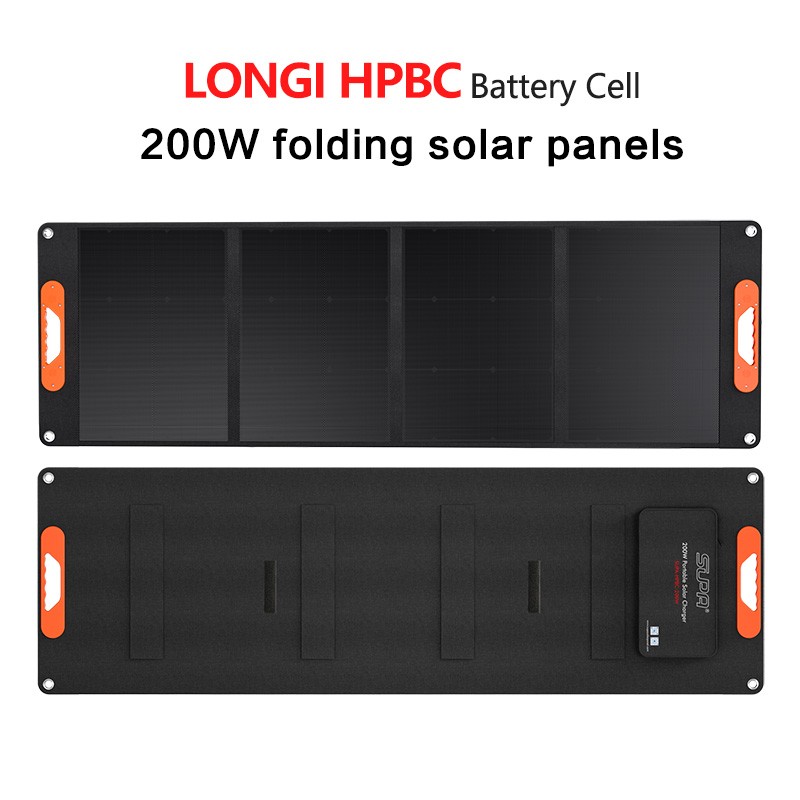
Low-light performance is critical for portable and off-grid use cases, such as camping, RV travel, emergency backup, and mobile workstations. The 200W high efficiency solar panel from Supa leverages HPBC architecture to maintain a higher energy yield during early mornings, late afternoons, and overcast days.
Why HPBC Panels Excel in Low Light
Enhanced light capture due to the absence of front-side grid lines
Faster startup voltage in diffuse sunlight
More consistent output during partial shading
Compared to standard panels, a portable solar panel 200W using HPBC technology can generate usable power for a longer portion of the day, improving overall daily energy harvest and system reliability.
Performance in Hot Weather Environments
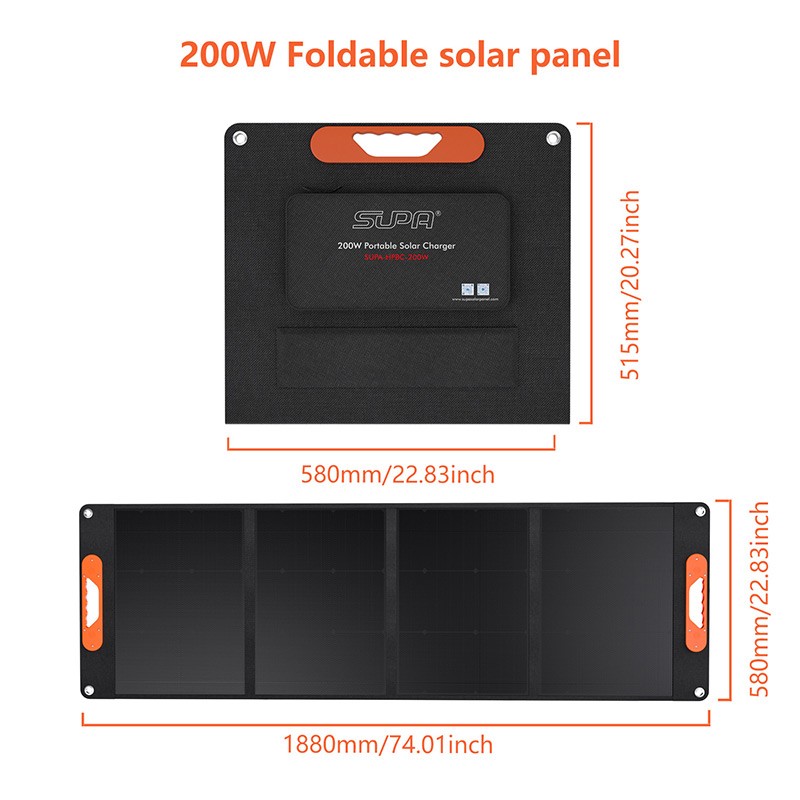
High temperatures are a common challenge for solar systems, often leading to efficiency loss due to increased cell resistance. Supa’s HPBC high efficiency solar panel is engineered with a lower temperature coefficient, allowing it to retain more output power in hot climates.
Advantages in High-Temperature Conditions
Reduced power degradation under heat stress
Better thermal stability for prolonged outdoor deployment
Optimized energy conversion even above standard test conditions
For applications in deserts, tropical regions, or summer-heavy markets, the Supa 200W portable solar panel delivers more predictable performance compared to traditional mono or polycrystalline alternatives.
Low Light vs. Hot Weather: Which Is Better?
From a performance standpoint, HPBC panels offer measurable advantages in both environments. However, the most significant competitive edge is typically seen in low-light conditions, where increased light absorption directly translates into higher real-world energy output.
That said, when paired with Supa’s thermal optimization and robust module design, the 200W high efficiency solar panel remains a strong performer in hot weather, making it a versatile solution across diverse geographies.
Why Choose Supa HPBC Portable Solar Panels?
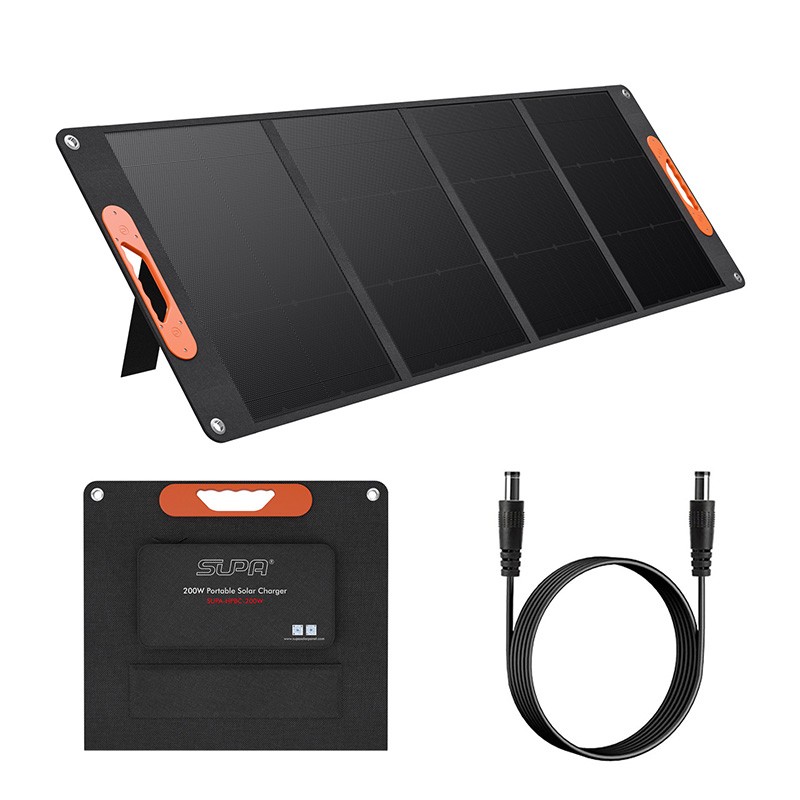
Supa positions its HPBC products for users who demand reliability, efficiency, and portability without compromise. The portable solar panel 200W is ideal for:
Off-grid power systems
RV and van-life energy setups
Emergency and disaster-response power
Remote industrial and field operations
By integrating HPBC solar panel technology into a compact, transport-friendly form factor, Supa delivers a future-ready energy solution aligned with global sustainability and mobility trends.
Final Thoughts
When evaluating whether HPBC panels work better in low light or hot weather, the answer is clear: they perform exceptionally well in both, with a distinct advantage in low-light scenarios. The Supa 200W portable solar panel stands out as a high-efficiency, adaptable power solution designed for real-world operating conditions—where consistency, durability, and energy yield matter most.
For businesses and end users seeking scalable, high-performance portable solar solutions, HPBC technology represents a forward-looking investment in energy efficiency and operational resilience.